Dr. Spielfogel is extremely patient and has great bedside manner. He listens to your needs and anxiety, puts you at ease. I initially went to his office for a consultation for plantar fasciitis on my right foot. He did xrays to confirm and he gave me an injection. He also suggested that I need Bunion correction surgery on both of my feet but I was reluctant. He said whenever I’m ready we can arrange it.
When I was ready to have surgery, which was about 1.5 months later I scheduled my right foot. The outcome was good better than I expected. Six weeks later I scheduled my left foot and recovery is going great. I refer Dr. Spielfogel to all my friends.
Bunions Treatment in Port St. Lucie, FL
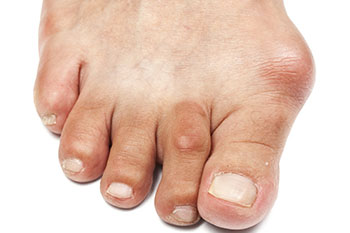 A bunion is a bony, painful swelling that is often formed on the first joint of the big toe. Bunions can be extremely painful due to the weight of all your body resting on it each time you take a step. Everyday activities, such as walking and wearing shoes, can cause you extreme discomfort if you have a bunion.
Reasons that a person may develop a bunion can vary. Some patients may form bunions due to genetic factors, complications with arthritis, or a weak foot structure. General aging can also play a role in the formation of a bunion.
Bunions Symptoms and Diagnose
A podiatrist knowledgeable in foot structure and biomechanics will be able to quickly diagnose bunions. Bunions must be distinguished from gout or arthritic conditions, so blood tests may be necessary. The podiatrist may order a radiological exam to provide an image of the bone structure. If the x-ray demonstrates an enlargement of the joint near the base of the toe and a shifting toward the smaller toes, this is indicative of a bunion.
Wearing wider shoes can reduce pressure on the bunion and minimize pain, and high heeled shoes should be eliminated for a period of time. This may be enough to eliminate the pain associated with bunions; however, if pain persists, anti-inflammatory drugs may be prescribed. Severe pain may require an injection of steroids near the bunion. Orthotics for shoes may be prescribed which, by altering the pressure on the foot, can be helpful in reducing pain. These do not correct the problem; but by eliminating the pain, they can provide relief.
If you have a bunion, you may notice a bony bump on your big toe, experience swelling and redness, and the area may feel tender to the touch. To help alleviate the pain that often comes with having a bunion, it’s suggested to maintain a healthy weight to help lessen the pressure on your toe, practice both heating and icing the affected area, wear wide-fitting shoes wear to leave plenty of space for your toes and to minimize rubbing, and look into shoe inserts that can help position your foot correctly.
Because bunions can result in other painful foot problems, such as hammertoes and bursitis, we recommend that you meet with a podiatrist for a professional diagnosis and for information regarding all your treatment options.
Because bunions can result in other painful foot problems, such as hammertoes and bursitis, we recommend that you meet with one of our podiatrists for a professional diagnosis and for information regarding all your treatment options. Please call the office of Hamilton Foot and Ankle Associates for any further inquiries or to schedule an appointment today! Manhattan: (212) 570-9300. Brooklyn: (718) 680-6276.
