Heel Pain Treatment in New York & Brooklyn, NY
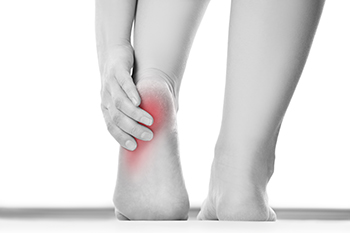 Heel pain, while quite common, can be extremely uncomfortable and painful if not met with proper care or treatment. Heel pain may occur if you injure or overuse the heel. If left uncared for, the affected area may worsen, limiting your mobility and making it difficult to perform everyday activities, such as walking.
Causes of Heel Pain
There are many different causes of heel pain, including strains or sprains, tarsal tunnel syndrome, stress fractures, achilles tendonitis, and heel bursitis. One of the most common causes of heel pain for children and teenagers specifically is Sever’s disease. Sever’s disease can develop due to overuse or repetitive microtrauma of the heel bone's growth plates. This condition is often seen among those who are active in sporting activities.
Other causes of heel pain may include issues with poor circulation, poor posture when walking or running, a soft tissue mass, and a rupture of the achilles tendon. To help ease the discomfort of heel pain, it’s advised that you get plenty of rest, apply ice to the affected area, and wear shoes that fit properly. In some more serious cases, a podiatrist might recommend the use of custom orthotics or shoe inserts for extra support.
There are various options your podiatrist may suggest for heel pain. Treatment options for heel pain typically include non-steroidal anti-inflammatory drugs (NSAIDS), which may reduce swelling and pain. Other options are physical therapy, athletic taping, and orthotics. In severe cases of heel pain, surgery may be required.
Preventing heel pain is possible. If you’re experiencing heel pain, we recommend you consult with a podiatrist as soon as possible for a proper diagnosis and treatment plan.
If you’re experiencing heel pain, we recommend you consult with one of our podiatrists as soon as possible for a proper diagnosis and treatment plan. Please call the office of Hamilton Foot and Ankle Associates for any further inquiries or to schedule an appointment today! Manhattan: (212) 570-9300. Brooklyn: (718) 680-6276.
Why Patients Choose Dr. William D. Spielfogel for Heel Pain
Dr. William D. Spielfogel provides experienced podiatric care for patients with heel pain, plantar fasciitis, heel spurs, Achilles-related pain, and chronic foot and ankle conditions. As a board-certified foot surgeon with certification in extracorporeal shockwave therapy, also known as ESWT, Dr. Spielfogel is able to offer both conservative and advanced treatment options for patients who need more than basic heel pain advice.
Heel pain is not always caused by one simple problem. Two patients can have similar symptoms but need very different treatment plans. One person may need stretching, shoe changes, and custom orthotics. Another may benefit from EPAT shockwave therapy. Another may have a tendon issue, nerve irritation, stress injury, or biomechanical problem that requires a more detailed evaluation.
Dr. Spielfogel’s experience in foot and ankle care allows patients to receive a complete evaluation, not just a quick diagnosis. The goal is to understand why the heel hurts, what structures are involved, and which treatment options are most appropriate for long-term improvement.

Common Signs of Heel Pain
Heel pain can appear in several ways. You may notice:
- Sharp pain under the heel
- Pain during the first steps in the morning
- Pain after sitting and then standing
- Heel pain that worsens after activity
- Pain in the arch or bottom of the foot
- Pain at the back of the heel
- Swelling or tenderness around the heel
- Pain with running, sports, or long periods of standing
- Discomfort that returns after temporary improvement
- Pain that does not improve with new shoes or over-the-counter inserts
Heel pain that lasts more than a few weeks should be evaluated by a podiatrist. Early treatment may help prevent the condition from becoming more painful, more limiting, or more difficult to treat.
What Causes Heel Pain?
Heel pain can come from several different conditions. The most effective treatment depends on identifying the actual cause of the pain.
Plantar Fasciitis
Plantar fasciitis is one of the most common causes of heel pain. It occurs when the plantar fascia, the strong band of tissue along the bottom of the foot, becomes irritated or inflamed. Patients often feel pain under the heel, especially with the first steps in the morning or after sitting for a long period of time. Plantar fasciitis may be related to overuse, tight calf muscles, poor foot mechanics, unsupportive shoes, high arches, flat feet, increased activity, or long periods of standing.
Heel Spurs
Heel spurs are bony growths that can develop on the heel bone. They are often associated with long-term strain on the plantar fascia or surrounding soft tissues. Not every heel spur causes pain, but when heel spurs are present with inflammation or tissue irritation, they may contribute to ongoing discomfort.
Achilles Tendinitis
Pain at the back of the heel may be related to Achilles tendinitis. This condition occurs when the Achilles tendon becomes irritated, inflamed, or overloaded. It may affect runners, active adults, athletes, or patients who have recently increased activity. Tight calf muscles, poor footwear, and abnormal foot mechanics may also contribute.
Bursitis
Heel bursitis occurs when one of the small fluid-filled sacs near the heel becomes irritated. This can cause pain, swelling, and tenderness, especially near the back or bottom of the heel.
Stress Fractures
A stress fracture is a small crack or injury in the bone. Heel stress fractures may develop from repetitive impact, increased activity, running, sports, or certain medical conditions that affect bone strength. Pain from a stress fracture often gets worse with weight-bearing activity.
Nerve Pain
Sometimes heel pain is related to nerve irritation or compression. This may cause burning, tingling, numbness, or shooting pain. A thorough evaluation can help determine whether the pain is coming from the heel itself or from a nerve-related condition.
Sports and Overuse Injuries
Running, jumping, court sports, dance, and long periods of walking can place repeated stress on the heel. Sports-related heel pain may involve the plantar fascia, Achilles tendon, heel bone, surrounding soft tissue, or overall foot mechanics.
How We Diagnose Heel Pain
A proper diagnosis is the most important step in treating heel pain. At Hamilton Foot and Ankle Associates, your evaluation may include a review of your symptoms, medical history, activity level, shoes, work demands, and previous treatments. The doctor may examine your foot structure, areas of tenderness, range of motion, gait, and how your foot functions while standing or walking.
Depending on your symptoms, imaging may be recommended to help evaluate the heel bone, joints, soft tissue, or possible contributing conditions. The purpose of the exam is to determine not only what hurts, but why it hurts.
This is especially important for patients who have already tried basic treatments such as rest, ice, stretching, over-the-counter inserts, or new shoes without lasting relief.

Treatment Options for Heel Pain
Heel pain treatment depends on the diagnosis, severity of symptoms, activity level, and how long the pain has been present. Many patients improve with conservative care, but chronic or recurring heel pain may need a more advanced treatment plan.
Treatment may include:
- Stretching and strengthening exercises
- Footwear recommendations
- Activity modification
- Anti-inflammatory treatment when appropriate
- Padding or taping
- Night splints
- Custom orthotics
- Immobilization when needed
- EPAT shockwave therapy
- Advanced treatment options for severe or persistent cases
The goal is to reduce pain, improve support, address the cause of the problem, and help you return to daily activity with greater comfort.
Custom Orthotics for Heel Pain
Custom orthotics may be recommended when heel pain is related to foot structure, arch mechanics, abnormal pressure, overpronation, flat feet, high arches, or recurring strain on the plantar fascia. Unlike basic store-bought inserts, custom orthotics are designed specifically for your feet.
For patients with plantar fasciitis, heel pain, or recurring arch strain, custom orthotics may help improve support, reduce stress on irritated tissues, and promote better alignment during walking or standing. Custom orthotics may be especially helpful for patients who spend long hours on their feet, runners, active adults, people with flat feet, and those whose heel pain keeps returning after temporary improvement.
EPAT Shockwave Therapy for Chronic Heel Pain
EPAT shockwave therapy, also known as ESWT, is a non-surgical treatment option used for certain soft tissue injuries and chronic heel pain conditions. At Hamilton Foot and Ankle Associates, EPAT may be considered for patients with plantar fasciitis, heel spurs, Achilles tendinitis, and other foot and ankle conditions that have not responded well to basic conservative care.
EPAT uses pressure waves to stimulate the body’s natural healing response in the treated area. It may be an option for patients who want to avoid surgery or who have persistent heel pain despite rest, stretching, shoe changes, orthotics, or other treatments.
Not every patient is a candidate for EPAT, which is why a proper evaluation is important. If EPAT is appropriate, the doctor will explain what to expect, how many sessions may be recommended, and how it fits into your overall treatment plan.

Heel Pain in Runners and Active Adults
Heel pain is common among runners, walkers, athletes, and active adults. It may develop after increasing mileage, changing shoes, training on hard surfaces, returning to activity too quickly, or ignoring early symptoms. Sports-related heel pain may involve plantar fasciitis, Achilles tendinitis, heel bursitis, stress injury, or biomechanical imbalance. Treating the pain alone may not be enough if the underlying cause is related to gait, shoes, training habits, or foot structure.
Hamilton Foot and Ankle Associates evaluates heel pain with activity level in mind. The goal is to relieve symptoms while helping patients return to movement safely and with better long-term support.
Advanced Heel Pain Care in Manhattan and Brooklyn
Hamilton Foot and Ankle Associates provides heel pain treatment for patients throughout Manhattan, Brooklyn, and surrounding New York City communities. Whether your heel pain is new, recurring, sports-related, or chronic, our team can help determine the cause and explain your treatment options.
Dr. William D. Spielfogel and the Hamilton team treat a wide range of foot and ankle problems, including plantar fasciitis, heel spurs, Achilles tendinitis, foot pain, sports injuries, and biomechanical conditions that may require orthotic support.
If heel pain is affecting your ability to walk, work, exercise, or enjoy daily life, we encourage you to schedule an appointment. Request an Appointment Today - Manhattan: (212) 570-9300 | Brooklyn: (718) 680-6276
Heel Pain FAQs
Yes. Dr. William D. Spielfogel treats heel pain, plantar fasciitis, heel spurs, Achilles-related pain, sports-related foot pain, and chronic foot and ankle problems. He is board certified in foot surgery and certified in extracorporeal shockwave therapy, also known as ESWT.
One of the most common causes of heel pain is plantar fasciitis. This condition often causes pain under the heel, especially during the first steps in the morning or after sitting for a long time.
You should see a podiatrist if heel pain lasts more than a few weeks, gets worse, limits walking, affects sports or work, or does not improve with rest, stretching, shoe changes, or basic home treatment.
Yes. Many cases of heel pain can be treated without surgery. Treatment may include stretching, footwear changes, custom orthotics, anti-inflammatory care, taping, immobilization, injections when appropriate, or EPAT shockwave therapy.
Yes. Hamilton Foot and Ankle Associates offers EPAT shockwave therapy, which may be used for certain cases of chronic heel pain, plantar fasciitis, heel spurs, Achilles tendinitis, and other soft tissue conditions.
Custom orthotics may help when heel pain is related to poor foot mechanics, arch problems, flat feet, high arches, overpronation, or repeated stress on the plantar fascia. They are designed to support the feet and reduce strain during standing and walking.
Morning heel pain is commonly linked to plantar fasciitis. The plantar fascia can tighten while you rest, then become painful when stretched during the first steps of the day.
Yes. Runners and active adults may develop heel pain from overuse, training changes, footwear problems, tight calf muscles, plantar fasciitis, Achilles tendinitis, or stress-related injuries.
Heel spurs may contribute to heel pain, especially when they are associated with inflammation or soft tissue irritation. However, not all heel spurs are painful. A podiatric evaluation can help determine whether a heel spur is part of the problem.
Heel pain that does not improve after several weeks should be evaluated. Chronic heel pain may require a more detailed diagnosis and a treatment plan that addresses foot mechanics, inflammation, soft tissue injury, activity level, and footwear.
