
Improving Balance and Reducing Fall Risk for Older Adults

Falls in seniors are a leading cause of injury and often result from a loss of balance or coordination. A fall occurs when the body is unable to maintain stability during movement or standing. Age-related changes in the muscles and joints can affect balance and increase the chance of falling. Reduced physical activity and underlying health conditions may also contribute. Understanding fall prevention strategies is key to protecting long term mobility and safety.

Common symptoms associated with fall risk include dizziness, instability, and difficulty maintaining posture. Seniors may feel unsure when walking on uneven surfaces or when changing direction. After a fall, individuals may experience pain in the feet, ankles, or other parts of the body. Swelling and limited movement can interfere with daily activities. Identifying these symptoms early can help reduce the likelihood of repeated falls.

Risk factors include poor physical conditioning, weak muscles, and lack of balance training. Social isolation and limited activity may lead to reduced strength and coordination. Foot problems, such as pain or improper footwear, can affect stability and increase fall risk. Environmental factors like poor lighting or cluttered walkways may also contribute. Falls often result from a combination of physical and environmental issues that affect safe movement.

Preventing falls involves improving balance and maintaining an active lifestyle. Exercises such as tai chi, pilates, and yoga can strengthen muscles and enhance coordination. Practicing balance techniques like walking in a straight line can improve stability. Wearing supportive footwear and regular foot care are also important for safe movement. If you have sustained a foot or ankle injury after a fall, it is suggested that you consult a podiatrist for effective relief and treatment solutions, and additional fall prevention tips.

Preventing falls among the elderly is very important. If you are older and have fallen or fear that you are prone to falling, consult with one of our doctors from Hamilton Foot and Ankle Associates. Our doctors will assess your condition and provide you with quality advice and care.

Every 11 seconds, an elderly American is being treated in an emergency room for a fall related injury. Falls are the leading cause of head and hip injuries for those 65 and older. Due to decreases in strength, balance, senses, and lack of awareness, elderly persons are very susceptible to falling. Thankfully, there are a number of things older persons can do to prevent falls.

How to Prevent Falls

Some effective methods that older persons can do to prevent falls include:

  • Enrolling in strength and balance exercise program to increase balance and strength
  • Periodically having your sight and hearing checked
  • Discuss any medications you have with a doctor to see if it increases the risk of falling
  • Clearing the house of falling hazards and installing devices like grab bars and railings
  • Utilizing a walker or cane
  • Wearing shoes that provide good support and cushioning
  • Talking to family members about falling and increasing awareness

Falling can be a traumatic and embarrassing experience for elderly persons; this can make them less willing to leave the house, and less willing to talk to someone about their fears of falling. Doing such things, however, will increase the likelihood of tripping or losing one’s balance. Knowing the causes of falling and how to prevent them is the best way to mitigate the risk of serious injury.  

If you have any questions, please feel free to contact our offices located in Brooklyn, New York, NY . We offer the newest diagnostic and treatment technologies for all your foot care needs.
Read more about Falls Prevention

Understanding Foot Arthritis and Its Impact on Mobility

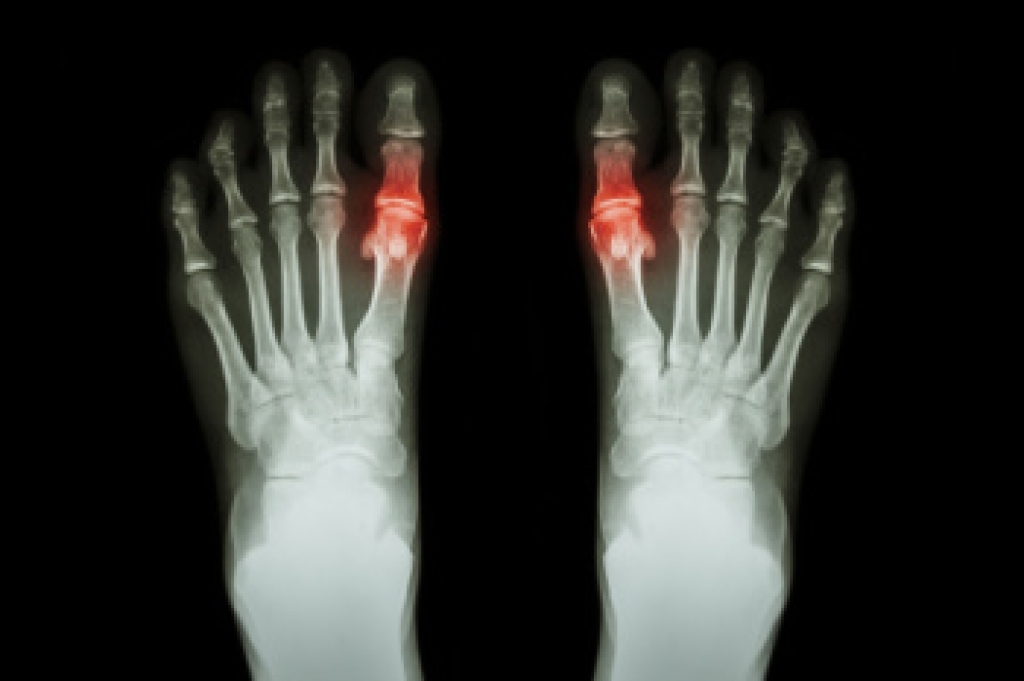
Foot arthritis involves inflammation and degeneration of the joints in the feet. It can affect any of the many joints that support movement, balance, and weight distribution. This condition develops when cartilage wears down or when inflammation damages joint structures. Foot arthritis can limit mobility and make daily activities more difficult. Understanding the definition of foot arthritis helps individuals recognize early signs and take steps to manage symptoms effectively.

Common symptoms include pain, stiffness, and swelling in the affected joints. These symptoms may worsen with activity and improve with rest. Many individuals notice reduced flexibility, making it difficult to walk or stand for extended periods. The joints may feel tender or appear swollen, especially after physical exertion. Untreated arthritis can lead to changes in foot shape and function. Recognizing these symptoms early is important for maintaining comfort and mobility.


The causes of foot arthritis often involve a combination of genetic and environmental factors. Genetic predisposition can increase the likelihood of joint degeneration, while environmental influences, such as repetitive stress or injury, may trigger symptoms. Smoking is a known risk factor that can contribute to inflammation and reduce circulation, which may worsen joint health. Infection and prolonged stress on the joints can also play a role in the development of arthritis. Risk factors include aging, previous injuries, and obesity. Occupations that require long periods of standing may also contribute.


Managing foot arthritis involves reducing strain on the joints and maintaining overall foot health. Supportive footwear, proper weight management, and low-impact exercise can help improve comfort and mobility. Early attention to symptoms can prevent further joint damage and improve quality of life. Taking proactive steps supports long-term function and well-being. If you have symptoms of arthritis in the feet, it is suggested that you consult a podiatrist for effective and management tips. 

Arthritis can be a difficult condition to live with. If you are seeking treatment, contact one of our doctors from Hamilton Foot and Ankle Associates. Our doctors can provide the care you need to keep you pain-free and on your feet.

Arthritic Foot Care  

Arthritis is a joint disorder that involves the inflammation of different joints in your body, such as those in your feet. Arthritis is often caused by a degenerative joint disease and causes mild to severe pain in all affected areas. In addition to this, swelling and stiffness in the affected joints can also be a common symptom of arthritis.

In many cases, wearing ill-fitting shoes can worsen the effects and pain of arthritis. Wearing shoes that have a lower heel and extra room can help your feet feel more comfortable. In cases of rheumatoid arthritis, the arch in your foot may become problematic. Buying shoes with proper arch support that contour to your feet can help immensely.

Alleviating Arthritic Pain

  • Exercises that stretch the foot can prevent further pain and injury and increase mobility
  • Most of the pain can be alleviated with anti-inflammatory drugs, heat, and topical medications
  • Massages can help temporarily alleviate pain.

It is best to see your doctor for the treatment that is right for your needs and symptoms. Conditions vary, and a podiatrist can help you determine the right method of care for your feet.

If you have any questions please feel free to contact our offices located in Brooklyn, New York, NY . We offer the newest diagnostic tools and technology to treat your foot and ankle needs.

Read more about Arthritic Foot Care
Advanced Podiatric Procedures & Services in the New York City, NY: Manhattan, Brooklyn, Queens, Bronx, Staten Island, Yonkers, Mount Vernon, New Rochelle, White Plains, Long Island, Flushing, Hempstead, Mineola, Garden City, NY areas
Book Online