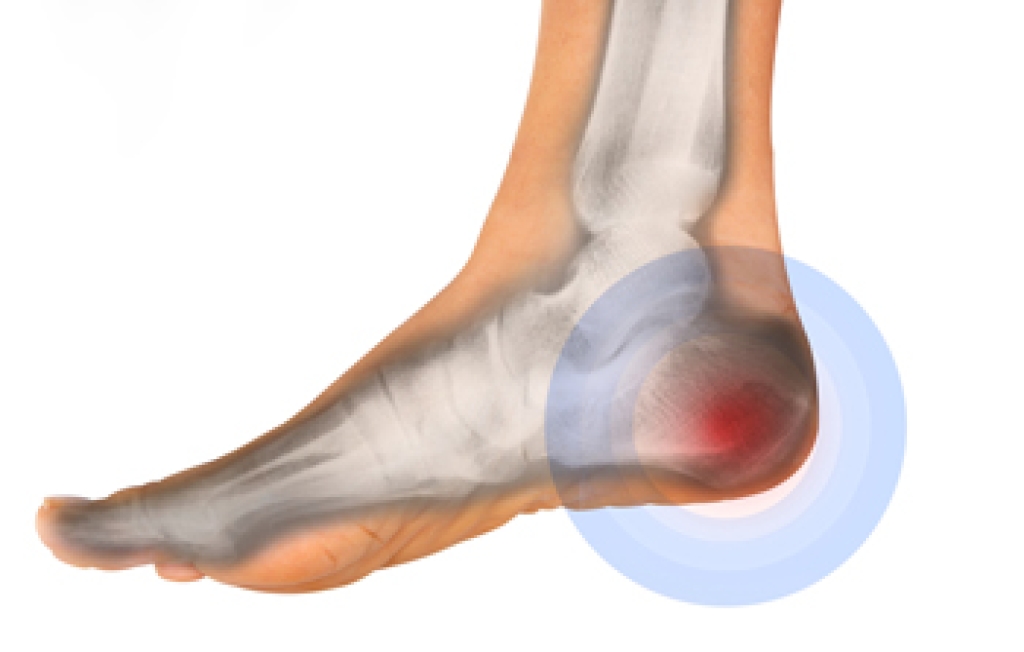
Sever’s Disease and Heel Pain in Active Children

Sever's disease is a common cause of heel pain in growing children and adolescents, especially those who are active in sports. It occurs when the growth plate in the heel becomes irritated due to repeated stress and tension on the Achilles tendon. This condition often develops during growth spurts when bones grow faster than muscles and tendons can adapt. Symptoms include heel pain, tenderness, and limping during or after activity. It can affect children who participate in running or jumping activities and those with tight calf muscles. A podiatrist can evaluate the condition, recommend stretching, supportive footwear, and activity modifications to reduce strain. If your active child has persistent heel pain, it is suggested that you consult a podiatrist who can accurately diagnose and treat Sever’s disease.

Sever's disease often occurs in children and teens. If your child is experiencing foot or ankle pain, see one of our doctors from Hamilton Foot and Ankle Associates. Our doctors can treat your child’s foot and ankle needs.

Sever’s Disease

Sever’s disease is also known as calcaneal apophysitis, which is a medical condition that causes heel pain I none or both feet. The disease is known to affect children between the ages of 8 and 14.

Sever’s disease occurs when part of the child’s heel known as the growth plate (calcaneal epiphysis) is attached to the Achilles tendon. This area can suffer injury when the muscles and tendons of the growing foot do not keep pace with bone growth. Therefore, the constant pain which one experiences at the back of the heel will make the child unable to put any weight on the heel. The child is then forced to walk on their toes.

Symptoms

Acute pain – Pain associated with Sever’s disease is usually felt in the heel when the child engages in physical activity such as walking, jumping and or running.

Highly active – Children who are very active are among the most susceptible in experiencing Sever’s disease, because of the stress and tension placed on their feet.

If you have any questions, please feel free to contact our offices located in Brooklyn, New York, NY . We offer the newest diagnostic and treatment technologies for all your foot care needs.

Read more about Sever's Disease

Keep Your Feet Healthy So You Can Stay Active

Have your feet inspected by a professional before starting a new sport or physical activity. Taking charge of your foot health will keep you in good physical condition and can help you avoid a potential injury, such as a fracture or sprained ankle.

Prevent injuries and see a foot specialist.

Ankle Sprains and Their Severity

An ankle sprain occurs when the ligaments that support the ankle are stretched or torn, due to sudden twisting or rolling of the joint. A Grade One sprain involves mild stretching with slight pain and minimal swelling. Grade Two includes partial tearing with moderate pain, swelling. and difficulty walking, A Grade Three sprain is a complete tear that causes severe pain instability, and significant swelling. Common causes include sports injuries, uneven surfaces, and sudden changes in direction. Risk factors include weak muscles, previous sprains, and improper footwear. A podiatrist can assess the severity, provide treatment, and guide rehabilitation to restore strength and stability. If you have sprained your ankle, it is suggested that you consult a podiatrist who can provide effective relief and treatment solutions.

Although ankle sprains are common, they aren’t always minor injuries. If you need your ankle injury looked at, contact one of our doctors from Hamilton Foot and Ankle Associates. Our doctors can provide the care you need to keep you pain-free and on your feet.

How Does an Ankle Sprain Occur?

Ankle sprains are the result of a tear in the ligaments within the ankle. These injuries may happen when you make a rapid shifting movement while your foot is planted. A less common way to sprain your ankle is when your ankle rolls inward while your foot turns outward.

What Are the Symptoms?

  • Pain at the sight of the tear
  • Bruising/Swelling
  • Ankle area is tender to touch
  • In severe cases, may hear/feel something tear
  • Skin discoloration

Preventing a Sprain

  • Wearing appropriate shoes for the occasion
  • Stretching before exercises and sports
  • Knowing your limits

Treatment of a Sprain

In many cases, the RICE method (Rest, Ice, Compression, and Elevate) is used to treat ankle sprains. However, you should see a podiatrist to see which treatment option would work best with your injury. In severe cases, surgery may be required.

It is important to ask your doctor about rehab options after you receive treatment for your injury. Stretching, strength training, and balance exercises may help the ankle heal while also preventing further injury.

If you have any questions, please feel free to contact our offices located in Brooklyn, New York, NY . We offer the newest diagnostic and treatment technologies for all your foot care needs.

Read more about Ankle Sprains
Advanced Podiatric Procedures & Services in the New York City, NY: Manhattan, Brooklyn, Queens, Bronx, Staten Island, Yonkers, Mount Vernon, New Rochelle, White Plains, Long Island, Flushing, Hempstead, Mineola, Garden City, NY areas
Request Appointment