
Foot pain linked to sciatica occurs when the sciatic nerve, which extends from the lower back to the feet, becomes compressed or irritated. This compression disrupts nerve signals, causing pain that can radiate into the heel, arch, or toes. People often notice tingling, burning, or numbness on the top or bottom of the foot, and some experience weakness when standing on their toes or lifting the front of the foot. The discomfort can worsen when walking, wearing shoes that lack adequate support, or standing for long periods. A podiatrist can evaluate whether the source of pain is nerve-related or due to another foot condition, such as plantar fasciitis or tarsal tunnel syndrome. Diagnostic imaging and nerve testing can help confirm the cause. Treatment may involve orthotics, shoe adjustments, or surgery if nerve compression is severe. If you have symptoms of sciatica-related foot pain, it is suggested that you make an appointment with a podiatrist for a diagnosis and suggested treatment.
When dealing with systemic disease of the feet, it is extremely important to check the affected areas routinely so that any additional problems are caught quickly. If you have any concerns about your feet and ankles contact one of our doctors from Hamilton Foot and Ankle Associates. Our doctors will assist you with all of your podiatric needs.
Systemic Diseases of the Feet
Systemic diseases affect the whole body, and symptoms usually are displayed in the feet. This condition can make a patient’s ability to walk unbearable. Systemic diseases include gout, diabetes mellitus, neurological disorders, and arthritis.
Gout – is caused by an excess of uric acid in the body. Common symptoms include pain, inflammation, and redness at the metatarsal/phalangeal joint of the base big toe. Gout can be treated by NSAIDs to relieve pain and inflammation, and other drugs that lower the acid levels in the body.
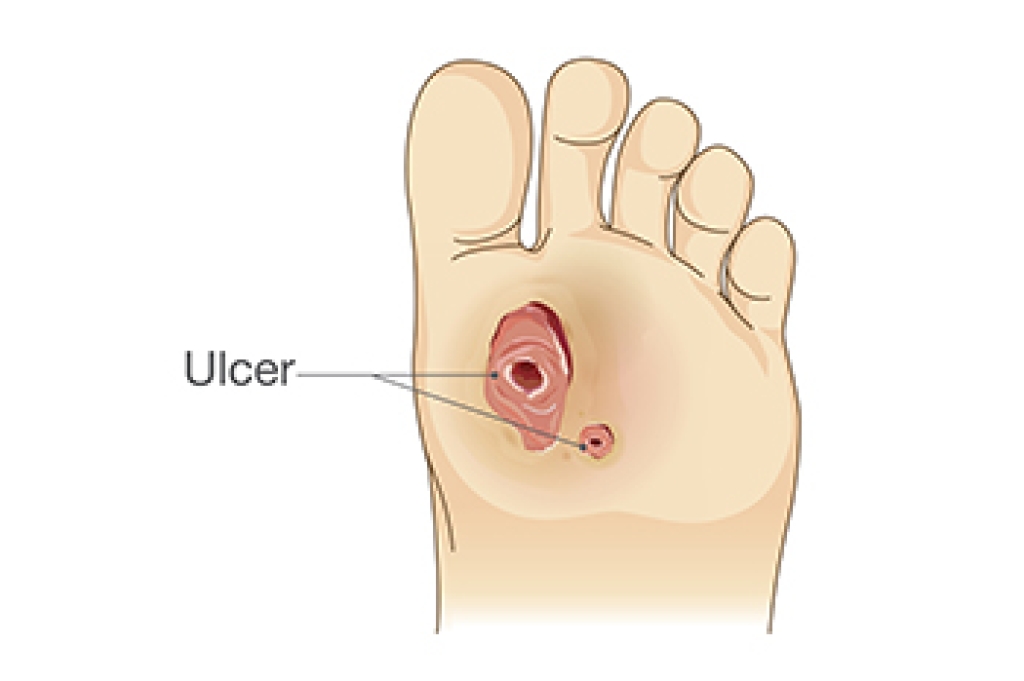
Diabetes mellitus – is an increase in the level of blood sugar that the body cannot counteract with its own insulin. Failure to produce enough insulin is a factor in Diabetes.
Diabetes of the Feet
Diabetic Neuropathy – may lead to damaged nerves and affect the feet through numbness and loss of sensation.
Peripheral Vascular Disease – can restrict the blood flow to the feet, and often times lead to amputation of the feet.
If you have any questions please contact our offices located in Brooklyn, New York, NY . We offer the newest diagnostic and treatment technologies for all your foot and ankle needs.

Heel pain is a common foot complaint that can significantly impact daily activities. It may stem from conditions such as plantar fasciitis, stress fractures, or neuromas. Plantar fasciitis involves inflammation of the thick band of tissue that runs along the bottom of the foot, causing sharp pain near the heel, especially in the morning. Stress fractures are tiny cracks in the heel bone often caused by repetitive stress or overuse, resulting in a dull, aching pain that worsens with activity. Neuromas are nerve-related issues that can cause burning or tingling sensations, sometimes accompanied by swelling. The heel may appear swollen or bruised and feel tender to the touch. A podiatrist can diagnose the exact cause through a physical exam and imaging tests. Treatment options include custom orthotics, anti-inflammatory medications, or, in some cases, minor surgical procedures. It is suggested that you schedule an appointment with a podiatrist if heel pain persists.
Many people suffer from bouts of heel pain. For more information, contact one of our doctors of Hamilton Foot and Ankle Associates. Our doctors can provide the care you need to keep you pain-free and on your feet.
Causes of Heel Pain
Heel pain is often associated with plantar fasciitis. The plantar fascia is a band of tissues that extends along the bottom of the foot. A rip or tear in this ligament can cause inflammation of the tissue.
Achilles tendonitis is another cause of heel pain. Inflammation of the Achilles tendon will cause pain from fractures and muscle tearing. Lack of flexibility is also another symptom.
Heel spurs are another cause of pain. When the tissues of the plantar fascia undergo a great deal of stress, it can lead to ligament separation from the heel bone, causing heel spurs.
Why Might Heel Pain Occur?
- Wearing ill-fitting shoes
- Wearing non-supportive shoes
- Weight change
- Excessive running
Treatments
Heel pain should be treated as soon as possible for immediate results. Keeping your feet in a stress-free environment will help. If you suffer from Achilles tendonitis or plantar fasciitis, applying ice will reduce the swelling. Stretching before an exercise like running will help the muscles. Using all these tips will help make heel pain a condition of the past.
If you have any questions, please feel free to contact our offices located in Brooklyn, New York, NY . We offer the newest diagnostic and treatment technologies for all your foot care needs.

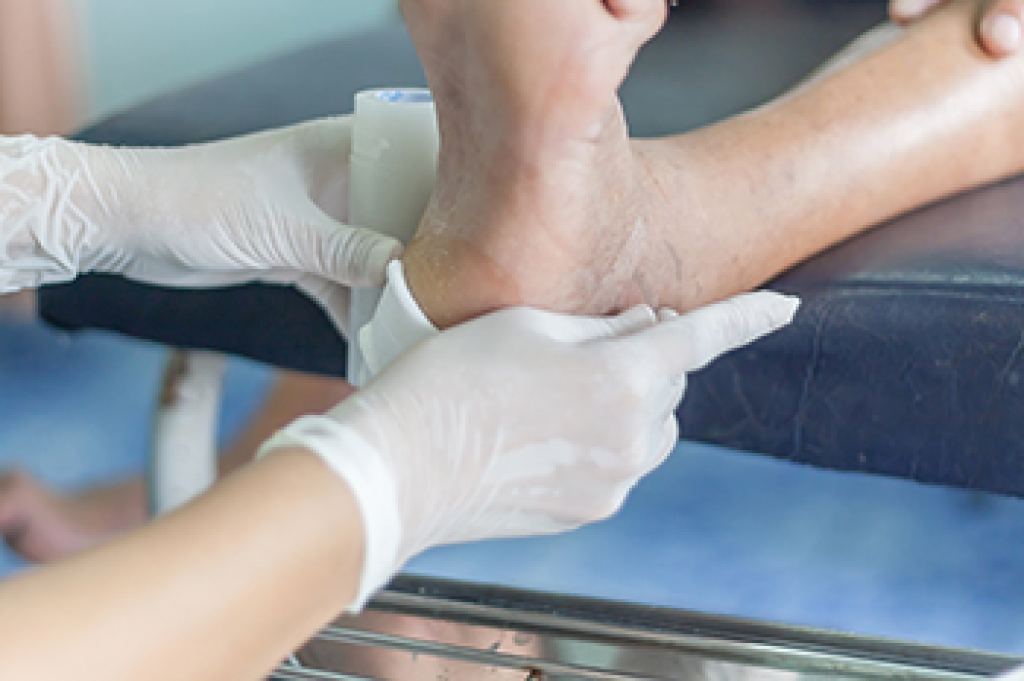
Our feet are complex and vital structures that often go underappreciated until pain or issues arise. Comprising 26 bones, 33 joints, and an intricate network of nerves and blood vessels, our feet provide the stability and balance essential for every step. Ignoring their health can lead to a range of issues, from mild discomfort to serious conditions, especially in those with diabetes, where foot complications can escalate quickly. Wearing well-fitted shoes and regularly visiting a podiatrist are important steps to ensure optimal foot health, allowing us to prevent or manage issues early. Focusing on foot care helps us maintain mobility and independence, highlighting the importance of paying attention to these important yet often overlooked parts of our body. If you would like to safeguard the health of your feet, it is suggested that you schedule appointments with a podiatrist for routine exams.
Everyday foot care is very important to prevent infection and other foot ailments. If you need your feet checked, contact one of our doctors from Hamilton Foot and Ankle Associates. Our doctors can provide the care you need to keep you pain-free and on your feet.
Everyday Foot Care
Often, people take care of their bodies, face and hair more so than they do for their feet. But the feet are a very important aspect of our bodies, and one that we should pay more attention to. Without our feet, we would not be able to perform most daily tasks.
It is best to check your feet regularly to make sure there are no new bruises or cuts that you may not have noticed before. For dry feet, moisturizer can easily be a remedy and can be applied as often as necessary to the affected areas. Wearing shoes that fit well can also help you maintain good foot health, as well as making it easier to walk and do daily activities without the stress or pain of ill-fitting shoes, high heels, or even flip flops. Wearing clean socks with closed shoes is important to ensure that sweat and bacteria do not accumulate within the shoe. Clean socks help to prevent Athlete’s foot, fungi problems, bad odors, and can absorb sweat.
If you have any questions, please feel free to contact our offices located in Brooklyn, New York, NY . We offer the newest diagnostic and treatment technologies for all your foot care needs.
Toenail fungus often starts subtly, with maybe a small yellow spot or thickened edge, but it can quietly progress beneath the nail’s surface, changing how the nail feels and looks. What many overlook is that it is not just a cosmetic issue. The infection weakens the nail structure, making it brittle, misshapen, and difficult to trim, which can lead to discomfort while wearing shoes. For some, it can even affect balance or walking confidence. Current treatments go beyond simple creams, using advanced options like topical solutions that penetrate the nail more effectively. Healthy nail growth takes patience, as nails renew slowly, but consistent care can make a visible difference. If your toenails are discolored, thick, or difficult to manage, it is suggested that you schedule a visit with a podiatrist for an evaluation and personalized treatment.
If left untreated, toenail fungus may spread to other toenails, skin, or even fingernails. If you suspect you have toenail fungus it is important to seek treatment right away. For more information about treatment, contact one of our doctors of Hamilton Foot and Ankle Associates. Our doctors can provide the care you need to keep you pain-free and on your feet.
Symptoms
- Warped or oddly shaped nails
- Yellowish nails
- Loose/separated nail
- Buildup of bits and pieces of nail fragments under the nail
- Brittle, broken, thickened nail
Treatment
If self-care strategies and over-the-counter medications does not help your fungus, your podiatrist may give you a prescription drug instead. Even if you find relief from your toenail fungus symptoms, you may experience a repeat infection in the future.
Prevention
In order to prevent getting toenail fungus in the future, you should always make sure to wash your feet with soap and water. After washing, it is important to dry your feet thoroughly especially in between the toes. When trimming your toenails, be sure to trim straight across instead of in a rounded shape. It is crucial not to cover up discolored nails with nail polish because that will prevent your nail from being able to “breathe”.
In some cases, surgical procedure may be needed to remove the toenail fungus. Consult with your podiatrist about the best treatment options for your case of toenail fungus.
If you have any questions please contact our offices located in Brooklyn, New York, NY . We offer the newest diagnostic and treatment technologies for all your foot and ankle needs.