
Important Facts About Bunions

A bunion is a bony enlargement that forms at the base of the big toe when the joint becomes misaligned and shifts outward. This structural change occurs as the tip of the big toe angles toward the other toes. Common symptoms include pain, tenderness, and red, hot, swollen skin over the affected joint. Bunions may develop from inherited foot structure, wearing improper footwear, repetitive stress, or underlying conditions that affect joint stability. Risk factors include family history, flat feet, and working in occupations that place pressure on the forefoot. A podiatrist can evaluate the deformity and recommend personalized treatment options. If you have developed a bunion that is causing pain or discomfort, it is suggested that you consult a podiatrist who can offer effective relief and management tips.

If you are suffering from bunion pain, contact one of our doctors of Hamilton Foot and Ankle Associates. Our doctors can provide the care you need to keep you pain-free and on your feet.

What Is a Bunion?

Bunions are painful bony bumps that usually develop on the inside of the foot at the joint of the big toe. As the deformity increases over time, it may become painful to walk and wear shoes. Women are more likely to exacerbate existing bunions since they often wear tight, narrow shoes that shift their toes together. Bunion pain can be relieved by wearing wider shoes with enough room for the toes.

Causes

  • Genetics – some people inherit feet that are more prone to bunion development
  • Inflammatory Conditions - rheumatoid arthritis and polio may cause bunion development

Symptoms

  • Redness and inflammation
  • Pain and tenderness
  • Callus or corns on the bump
  • Restricted motion in the big toe

In order to diagnose your bunion, your podiatrist may ask about your medical history, symptoms, and general health. Your doctor might also order an x-ray to take a closer look at your feet. Nonsurgical treatment options include orthotics, padding, icing, changes in footwear, and medication. If nonsurgical treatments don’t alleviate your bunion pain, surgery may be necessary.

If you have any questions, please feel free to contact our offices located in Brooklyn, New York, NY . We offer the newest diagnostic and treatment technologies for all your foot care needs.

Read more about What Are Bunions?

Get Professional Care for a Broken Foot or Ankle

Constant care and regular evaluation are important for a foot or ankle fracture. If left untreated, foot or ankle fractures can worsen over time and create more serious problems.

Don't wait to be examined if you believe you've experienced a foot or ankle fracture.

Causes of Toenail Pain

Toenail pain can range from mild irritation to discomfort that makes walking or wearing shoes difficult. One common cause is an ingrown toenail, which occurs when the nail edge grows into surrounding skin, leading to redness, swelling, and tenderness, often in the big toe. Fungal nail infections are another frequent source of toenail pain and may cause thickening, discoloration, brittleness, or separation from the nail bed. Trauma can also result in toenail pain from sudden injuries or repeated pressure within footwear, sometimes causing bruising beneath the nail or loosening of the nail plate. A podiatrist can determine the cause through an exam and testing, then provide treatment to reduce pain, address infection, manage nail damage, and prevent complications. If you are experiencing toenail pain that interferes with daily activities, it is suggested that you make an appointment with a podiatrist for an exam, diagnosis, and treatment.

Toe pain can disrupt your daily activities. If you have any concerns, contact one of our doctors of Hamilton Foot and Ankle Associates. Our doctors can provide the care you need to keep you pain-free and on your feet.

What Causes Toe Pain?

Most severe toe pain is caused due to a sports injury, trauma from dropping something heavy on the toe, or bumping into something rigid. Other problems can develop over time for various reasons.

Toe pain can be caused by one or more ailments. The most common include:

  • Trauma
  • Sports injury
  • Wearing shoes that are too tight
  • Arthritis
  • Gout
  • Corns and calluses
  • Hammertoe
  • Bunions
  • Blisters
  • Ingrown toenails
  • Sprains
  • Fractures (broken bones)
  • Dislocations

When to See a Podiatrist

  • Severe pain
  • Persistent pain that lasts more than a week
  • Signs of infection
  • Continued swelling
  • Pain that prevents walking

Diagnosis

In many cases the cause of toe pain is obvious, but in others, a podiatrist may want to use more advanced methods to determine the problem. These can range from simple visual inspections and sensation tests to X-rays and MRI scans. Prior medical history, family medical history, and any recent physical traumatic events will all be taken into consideration for a proper diagnosis.

Treatment

Treatments for toe pain and injuries vary and may include shoe inserts, padding, taping, medicines, injections, and in some cases, surgery. If you believe that you have broken a toe, please see a podiatrist as soon as possible.

If you have any questions please contact our offices located in Brooklyn, New York, NY . We offer the newest diagnostic and treatment technologies for all your foot and ankle needs.
Read more about Toe Pain

Caring for the Feet When Dealing With Diabetes

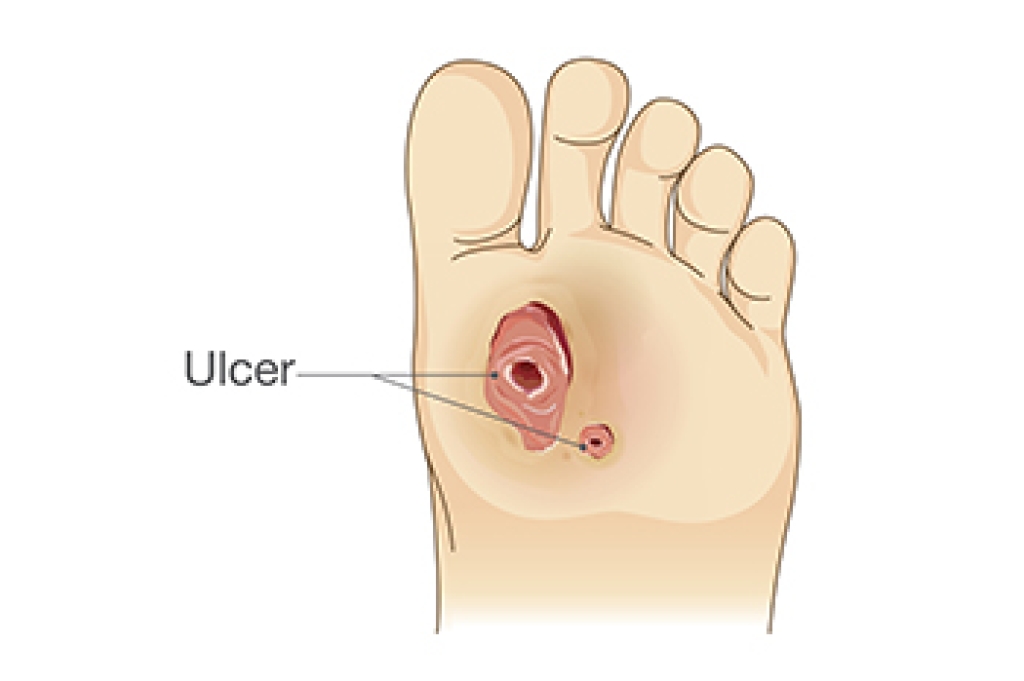
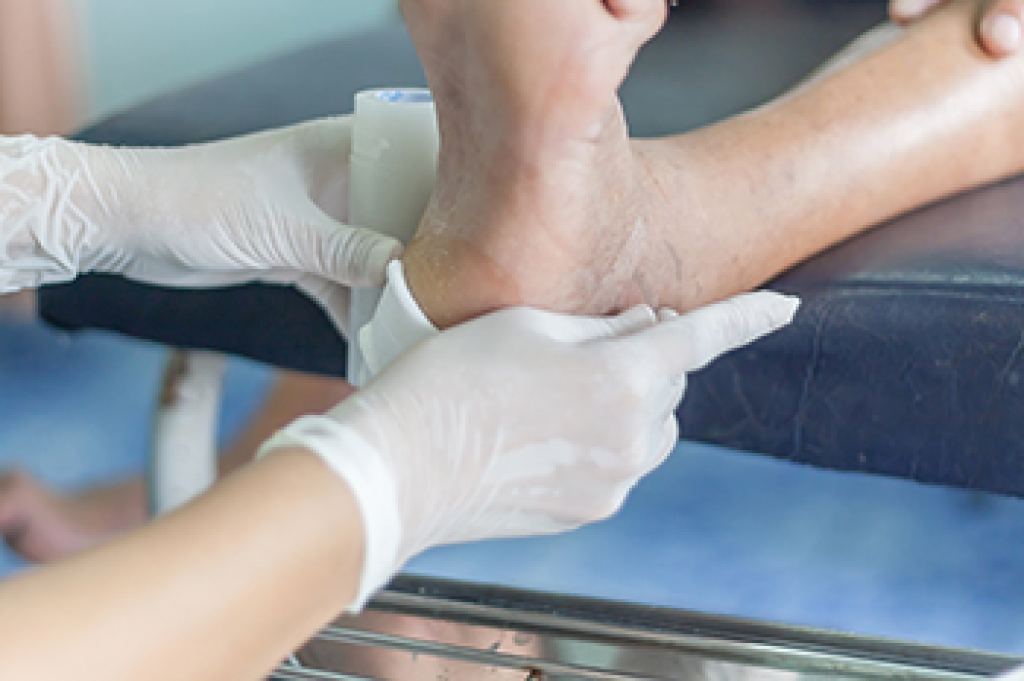
Diabetic foot care focuses on protecting the feet from complications caused by long-term diabetes, which can damage nerves and reduce circulation. These changes are often caused by prolonged elevated blood sugar levels that affect blood vessels and sensation. Symptoms include numbness, burning pain, slow healing sores, or frequent infections. The feet may look dry, cracked, or discolored, and they may feel painful in some areas while feeling very little in others. A podiatrist plays an important role by starting with a thorough examination to evaluate skin health, circulation, nerve response, and foot structure. Diagnostic testing may be used to identify risks early. Treatment often begins with preventive care, such as regular monitoring, nail and skin care, and footwear guidance, then moves into wound care and infection management. Consistent podiatric care helps reduce the risk of ulcers and serious complications. If you have diabetic foot care needs, it is suggested that you make an appointment with a podiatrist.

Diabetic foot care is important in preventing foot ailments such as ulcers. If you are suffering from diabetes or have any other concerns about your feet, contact one of our doctors from Hamilton Foot and Ankle Associates. Our doctors can provide the care you need to keep you pain-free and on your feet.

Diabetic Foot Care

Diabetes affects millions of people every year. The condition can damage blood vessels in many parts of the body, especially the feet. Because of this, taking care of your feet is essential if you have diabetes, and having a podiatrist help monitor your foot health is highly recommended.

The Importance of Caring for Your Feet

  • Routinely inspect your feet for bruises or sores.
  • Wear socks that fit your feet comfortably.
  • Wear comfortable shoes that provide adequate support.

Patients with diabetes should have their doctor monitor their blood levels, as blood sugar levels play such a huge role in diabetic care. Monitoring these levels on a regular basis is highly advised.

It is always best to inform your healthcare professional of any concerns you may have regarding your feet, especially for diabetic patients. Early treatment and routine foot examinations are keys to maintaining proper health, especially because severe complications can arise if proper treatment is not applied.

If you have any questions, please feel free to contact our offices located in Brooklyn, New York, NY . We offer the newest diagnostic and treatment technologies for all your foot care needs.

Read more about Diabetic Foot Conditions

Risk Factors for Blisters on the Feet

Blisters on the feet develop when repeated friction, pressure, or moisture damages the outer layers of skin. Common risk factors include poorly fitting shoes, stiff seams, increased walking or running volume, and sudden changes in activity. Excess moisture from sweating can soften skin, making it vulnerable to breakdown, while dry skin may crack and shear. Foot shape concerns like bunions, hammertoes, or prominent bones can increase pressure points, and gait issues can cause uneven rubbing in specific areas. Medical factors also play a role, including diabetes, circulation concerns, and reduced sensation, which can allow skin damage to progress unnoticed. A podiatrist can evaluate footwear fit, foot structure, and walking mechanics, address underlying deformities, and manage skin health. For help dealing with foot blisters, it is suggested that you make an appointment with a podiatrist for an exam, diagnosis, and treatment.

Blisters may appear as a single bubble or in a cluster. They can cause a lot of pain and may be filled with pus, blood, or watery serum. If your feet are hurting, contact one of our doctors of Hamilton Foot and Ankle Associates. Our doctors can provide the care you need to keep you pain-free and on your feet.

Foot Blisters

Foot blisters are often the result of friction. This happens due to the constant rubbing from shoes, which can lead to pain.

What Are Foot Blisters?

A foot blister is a small fluid-filled pocket that forms on the upper-most layer of the skin. Blisters are filled with clear fluid and can lead to blood drainage or pus if the area becomes infected.

Symptoms

(Blister symptoms may vary depending on what is causing them)

  • Bubble of skin filled with fluid
  • Redness
  • Moderate to severe pain
  • Itching

Prevention & Treatment

In order to prevent blisters, you should be sure to wear comfortable shoes with socks that cushion your feet and absorb sweat. Breaking a blister open may increase your chances of developing an infection. However, if your blister breaks, you should wash the area with soap and water immediately and then apply a bandage to the affected area. If your blisters cause severe pain it is important that you call your podiatrist right away.

If you have any questions, please feel free to contact our offices located in Brooklyn, New York, NY . We offer the newest diagnostic and treatment technologies for all your foot care needs.

Read more about Blisters
scroll to top
Request Appointment